-3.png)
If you know someone on a B2B sales team, give them a hug. They’re probably exhausted.

A typical day for anyone on these teams usually involves grinding through cold call lists and automated email sequences, hoping to catch a break.
That’s because the sales world is different than it was just ten years, five years, and even two years ago. By the time a prospect actually fills out a form on your site, they’ve already done the heavy lifting and have researched your features, compared your pricing, and checked your reviews.
This invisible journey is what experts have long termed the "Dark Funnel." In fact, about 70% of the buying process now happens behind the scenes. Meaning, if you're waiting for a hand raise to start selling, you're already too late.
This is why buyer intent data is so important.
Most teams actually have enough leads. The real problem is time wasted on accounts that were never going to buy.
That’s why intent data works. In fact, over 90% of B2B teams report better results after introducing intent signals into their go-to-market motion, not because they’re generating more, but because they’re finally prioritizing the right conversations at the right time.
B2B intent data works like a filter. It helps you ignore certain ones and focus on the companies that are active right now. Suddenly, you’re no longer an annoying cold caller, but a helpful resource that shows up at exactly the right time.
In 2026, the teams that win aren't the ones sending the most emails. They’re the ones who have the most context. Using b2b buyer intent data is the only way to stop the guessing game and start having conversations that actually lead to sales.
Bottom line: Quality beats volume.

The 3 Types of B2B Intent Data
No one wants to annoy their prospects. But If you treat every signal the same way, that’s exactly what you’ll end up doing. Instead, high-performing teams break b2b intent data into three distinct buckets to make sure their outreach actually makes sense for the buyer.

I. First-Party Intent Data
First-party intent data is information you collect on your own website or tools. It’s the most reliable data you have because it shows exactly how a prospect is interacting with your brand.
- The Signals: People visiting your pricing page, downloading your case studies, or opening your sales emails.
- The Problem it Solves: The "Ghosting" Lead. We’ve all had leads that go silent. First-party data lets you know when that lead suddenly comes back to your site to read about a new feature.
Master turning visitors to your website into opportunities 👇
II. Third-Party Intent Data
Third-party intent data is collected from websites you don’t own. This is where you find buyers before they even know your brand exists.
- The Signals: Someone searching for "best [your product category] software" on Google or reading reviews on sites like G2.
- The Problem it Solves: The "Late-to-the-Party" Syndrome. Most sales teams only find out about a deal when it's almost over. Third-party data lets you see when a company starts their research weeks before they ever visit your site.
III. Dark Intent
Dark intent (or “dark social”) refers to the signals that don't show up in your tracking software. In 2026, this is where the most honest conversations happen.
- The Signals: Mentions in private Slack communities, recommendations in podcasts, or "Saved" posts on LinkedIn.
- The Problem it Solves: The "Mystery" Pipeline. Ever wonder why a huge company suddenly requested a demo out of nowhere? Usually, it’s because someone recommended you in a private group. While you can't track this perfectly, knowing it exists helps you value your community presence.
.png?width=2000&height=2000&name=RPX%20Announcement%20(7).png)
How to Tell a "Hot" Lead from a "Cold" One
The biggest headache with buyer intent data is the noise. Literally. If your system pings you every time someone "likes" a post on LinkedIn, you’ll never get anything done.
Case Study: Applied Ceramics

Applied Ceramics partnered with RevPartners to clean up their CRM and qualification framework, enabling stronger lead scoring and clearer sales/marketing alignment, helping them surface intent earlier and reduce noise.
Check it out HERE
That’s why lead quality matters more than raw activity. 97% of B2B marketers say intent data helps them identify higher-quality leads, but only when those signals are ranked and acted on intentionally. Here’s how to sort through the noise using a simple Signal Strength Hierarchy.

The Signal Strength Hierarchy
High Intent: The "Ready to Buy" Signals
These signals show that a company is actively comparing options.
- What to look for: Multiple people from the same company visiting your pricing page, downloading a "Your Brand vs. Competitor" guide, or visiting your "Book a Demo" page.
- What to do: This is an immediate priority. Your sales team should reach out to these accounts today.
Medium Intent: The "Researching" Signals
These people have a problem and are looking for a solution, but they aren't ready for a sales pitch yet.
- What to look for: Attending a webinar, downloading a "How-to" guide, or spending a lot of time on your "Features" pages.
- What to do: Don't call them yet. Instead, send them more helpful information.
Low Intent: The "Just Browsing" Signals
These are people just starting to learn. They might have stumbled onto your site by accident or are just doing broad research.
- What to look for: Reading a basic blog post (like "What is [Your Industry]?") or liking a post on social media.
- What to do: Keep your brand in front of them with ads, but don't have a salesperson reach out. It’s too early, and you'll likely just push them away.
The "Rule of Three"
Even a "High Intent" signal can be a mistake. Maybe it’s a student doing a project or a competitor checking your prices. To make sure your b2b intent data is accurate, use this simple rule:
One person visiting your site is a fluke. Three people from the same company visiting your site in one week is a trend.
By following this simple ranking system, you stop chasing every click and start focusing on the companies that are actually ready to spend money.
5 Practical Ways B2B Teams Use Buyer Intent Data
Having data is good, but knowing how to use it to grow your business is great. Here are five ways modern teams are using b2b buyer intent data to work smarter.
I. Smarter Sales Prioritization
Most sales reps start their day with a massive, alphabetical list of leads. With intent data, instead of automatically starting with "A," they start with the accounts that spent yesterday morning on their pricing page. It allows your team to spend their time where the interest is already high.
57% of B2B teams report significant conversion rate gains after activating intent signals, with many seeing lifts of 40% or more once sales effort is focused on accounts that are already showing buying behavior.
Case Study: FMG

FMG leveraged RevPartners to automate real-time routing of high-interest webinar leads, ensuring hot accounts got immediate follow-up, a practical example of acting on intent signals at speed.
Check it out HERE
II. Hyper-Personalized Outreach
The "just checking in" email is dead. If your data shows that a prospect is searching for "SOC2 compliance," your first email shouldn't be a generic sales pitch. It should be a case study on how you help companies stay secure. B2B intent data tells you exactly what a prospect cares about so you can lead with a solution to their specific problem.
III. Precision Account-Based Marketing
Marketing budgets are often wasted on companies that aren't even looking to buy. You can use b2b buyer intent data to identify "In-Market" accounts and serve them targeted ads on LinkedIn.
This is already how modern ABM teams operate. 91% of marketers say they use intent data or intent scoring within their ABM programs to prioritize accounts, making account-level, third-party intent a core input, not just a nice-to-have.
IV. Spotting and Reducing Churn
Intent data is great for finding new customers, but it’s just as valuable for keeping the ones you already have.

Nearly half of B2B marketers (48%) use intent data specifically to understand how customers are actually using their products, making first- and second-party signals a key input for retention, not just acquisition.
You can also set up alerts when a current customer starts researching competitors or browsing review sites. This gives your Customer Success team a head start to reach out, address issues early, and protect the account before churn becomes a real risk.
V. Data-Driven Content Strategy
Stop guessing what you should write about in your next newsletter or blog post. By looking at search trends and intent signals across your industry, you can see what topics are hot. If everyone is suddenly searching for "automated onboarding," you know exactly what your next whitepaper should be about.
Overcoming the Hurdles of Intent Data
Even with the right tools, making b2b intent data work in the real world can be a little bumpy. Most teams run into the same few roadblocks when they first get started. Here’s how to navigate those frustrations and get your strategy moving:
The Real-World Problem |
The Simple Solution |
Why It Matters |
Your data is stuck in a separate app that your sales reps never check. |
Plug your data directly into your CRM (HubSpot!) so signals show up where your team already works. |
Keeps your team from missing signals because they didn't log into a different dashboard. |
Your team is getting pinged for every tiny click, which leads to them ignoring the data. |
Only alert Sales when an account shows repeated interest, like three high-value visits in one week. |
Stops "alert fatigue" and ensures your team only chases accounts that are actually ready to buy. |
You’re concerned about tracking individual people or following strict privacy laws. |
Use "Account-Level" signals. Knowing which company is looking is often enough to justify a helpful call. |
Keeps your data compliant and ethical while still giving you the insights you need to sell. |
By the time you see a lead was interested, they’ve already finished their research for the day. |
Use Slack or Teams notifications for "Red Hot" actions like pricing page visits. |
Allows you to reach out while the problem is still fresh in the buyer's mind. |
You're reaching out to people who were interested three months ago but aren't anymore. |
Use providers that update signals daily so your team isn't chasing dead leads. |
Ensures your outreach is always relevant to what the buyer is doing right now. |
Using Clay to Organize Your Intent Data
Clay isn’t a typical database where you just buy a list of names. Instead, it acts as a hub that connects to over 150 different data tools in one simple, spreadsheet-like view.

Why B2B Teams are Moving to Clay
How to cut the BDR workflow from hours of manual research across ten tools down to a single HubSpot view. 👇
The problem with buying a single intent tool is that you’re stuck with whatever information they have. Clay lets you pull the best parts from every provider at once:
- The "Waterfall" Method: If your first tool can't find a lead's email, Clay automatically tries a second or third one. This means you actually get the data you need without checking five different websites.
- Combining Signals: You can find a company that’s surging on a specific topic in one tool, find their hiring needs in another, and get the right person's contact info from a third, all in one row.
- AI Research (Claygent): You can use an AI agent to "read" the web for you. For example, it can check a company’s website to see if they just launched a new security feature or if they're hiring for a specific role.
Check out our "How-To" Video Series on Clay 👇

Turning Signals into Sales
In the past, B2B sales was largely a game of luck. You hoped you were calling the right person at the right time. Today, b2b buyer intent data takes the guessing part out and gives you the context you need to stop being an annoying caller and start being a well-timed problem solver.
The teams that will win in 2026 are the ones who can move the fastest when a high-value account shows they are ready to buy. By focusing on the "Dark Funnel," scoring your signals, and acting on them quickly through tools like Clay, you can turn your outreach into a predictable revenue machine.
Frequently Asked Questions
What’s the difference between first-party and third-party intent data?
First-party intent data is information you collect on your own digital properties, like visits to your pricing page. Third-party intent data comes from the wider web, showing what prospects are researching on other sites or search engines before they ever find your brand.
How do I start using B2B intent data without feeling overwhelmed?
The easiest way to start is by tracking your own website visitors (first-party signals). Once you’ve mastered following up with those leads, you can add third-party "surges" to find new accounts that are in-market but haven't visited your site yet.
Can intent data actually reduce customer churn?
Yes. By monitoring your current customers' research patterns, you can get alerted if a client starts searching for your competitors on third-party review sites. This allows your team to reach out and solve their issues before they decide to cancel.
Is intent data compliant with privacy laws?
Most modern b2b buyer intent data is compliant because it focuses on "Account-Level" signals rather than tracking specific individuals without their consent. Using company-level data allows you to see which organizations are active while respecting personal privacy.
The Revenue Performance Model
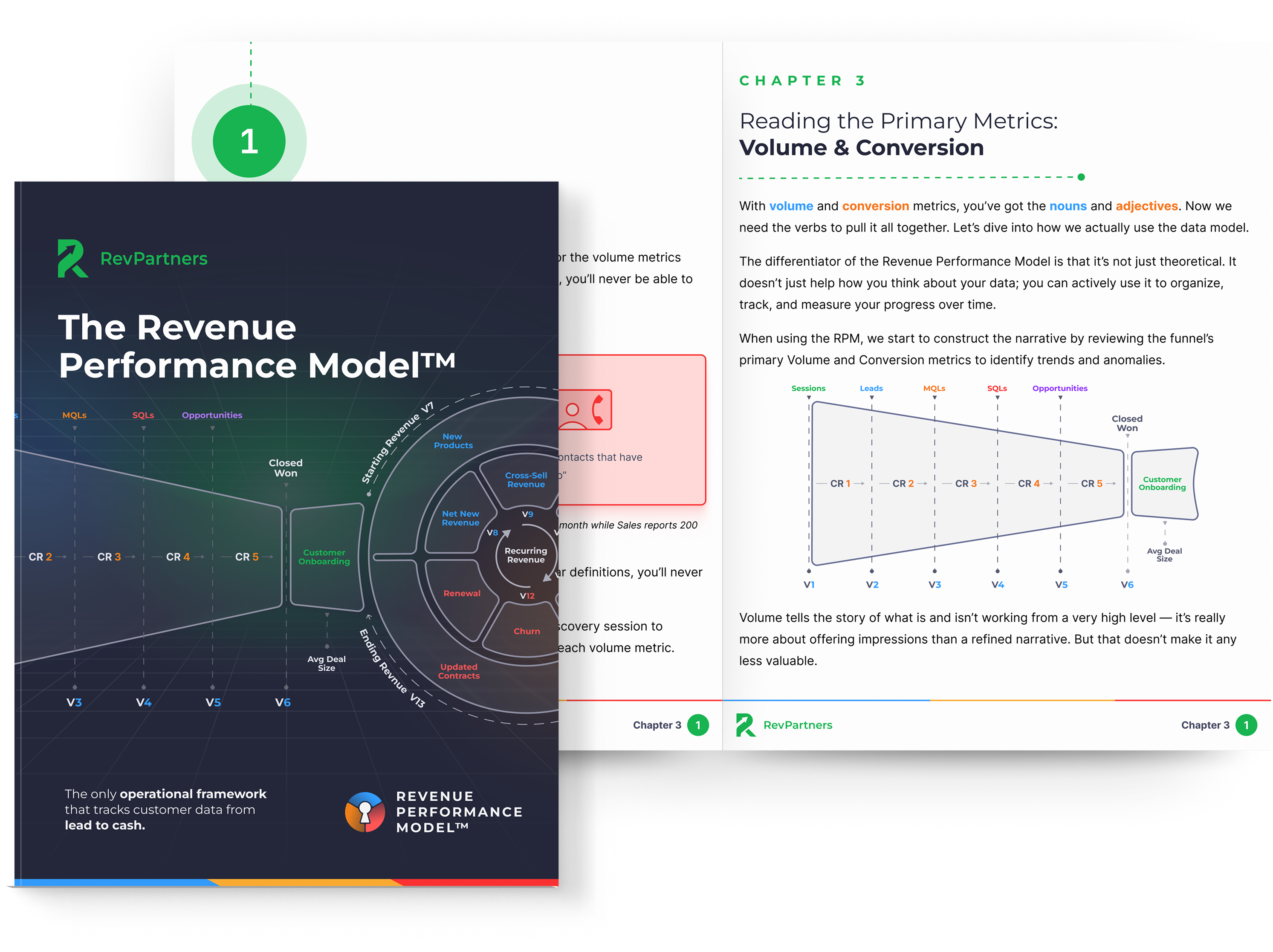
Do you want to track the entire revenue journey in your CRM so you can see what's broken, why it happened, and where to fix it?
Download the Revenue Performance Model HERE
-3.png)
-4.png)
-4.png)