-1.png)
Customer retention metrics measure how effectively businesses keep, grow, and expand existing customers over time. By tracking metrics like Net Revenue Retention (NRR), Customer Lifetime Value (CLV), Customer Retention Rate (CRR), Time to Value (TTV), and customer health scores across every GTM function, organizations can reduce churn, improve expansion revenue, and drive sustainable growth.
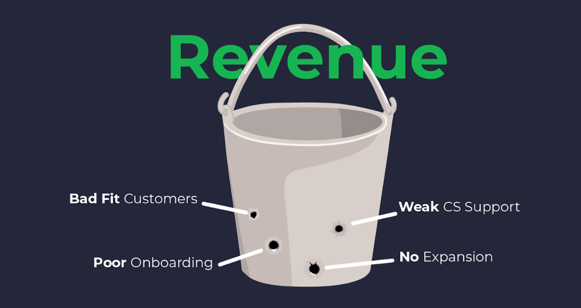
Most GTM teams chase new customers like it’s the only metric that matters.
And yes, acquisition is important, but if customers aren’t sticking around, nothing else really matters.
Which leads us to this truth: retention is the real game.

Yet most GTM teams have no clue which retention metrics to track, let alone how to use them.
Key Takeaways
-
High churn usually starts with misaligned acquisition. Track CLV by source and persona to find the patterns.
-
Fast-closing deals aren’t always good deals. Look at churn rates by sales cycle length to catch risky segments.
-
Product usage and time to value tell you more about stickiness than vanity metrics ever will.
-
CS teams need to act on signals early. Health scores and first-year retention are better indicators than NPS alone.
-
Retention metrics shouldn’t live in a silo. GTM alignment means every team is responsible for keeping customers, not just closing them.
So let’s take a look at the must-track retention metrics for Product, Sales, Marketing, and Customer Success to help ensure your GTM motion isn’t just about landing customers but keeping and growing them.
How do you track the right retention metrics by function?
Retention isn’t the job of just one team, it’s a GTM-wide responsibility.
- Marketing brings in the right customers.
- Sales ensures they’re a good fit.
- Product makes sure they get value.
- Customer Success keeps them engaged.
What retention metrics should marketing teams track?
The real measure of success isn’t just the number of new customers, it’s how many stay, expand, and become repeat customers who advocate for your brand.
If Marketing is bringing in the wrong customers, retention problems start before Product, Sales, or Customer Success even has a chance to fix them.

Watch: Good retention starts with great data. Hers's why that matters more than you think 👇
So how do you know if Marketing is setting customers up for long-term success?
What customer retention stats matter across GTM teams?
59% of U.S. consumers will stay loyal to a brand for life once committed. Marketing needs to attract customers who aren’t just interested, but are willing to stay long-term.
39.4% of consumers will pay more for a product even when cheaper alternatives exist, once they’re loyal. Retention-friendly marketing brings in customers who see value beyond price.
37% of consumers require at least five purchases before they consider themselves loyal. Marketing must support ongoing engagement and measure customer retention to ensure repeat purchases, not just the first sale.
Which retention metrics should marketing track?
CLV by Acquisition Channel
Not all leads are created equal. Some market strategies bring in customers who stay and grow, while others attract high-churn users, impacting the bottom line.
Tracking Customer Lifetime Value (CLV) by channel helps identify which acquisition sources drive long-term retention.
Watch: How to unify your data so every GTM team is working from the same source of truth. 👇
Retention by Persona & Industry
Certain buyer personas, industries, or segments retain better than others.
If some customer types stick around longer, marketing should focus campaigns on these high-value segments to improve retention.
Activation Rate from Marketing Leads
Bringing in leads isn’t enough.
The real question is how many actually start using the product? Low activation rates suggest:
- Unclear expectations in marketing messaging
- Targeting the wrong audience
- Onboarding gaps that need improvement
How can GTM teams act on marketing retention data?
GTM Teams: Reallocate Ad Spend Based on Retention Signals
If paid ads attract low-retention customers but referrals or organic sources bring in long-term users, shift budget accordingly.
Refine GTM Messaging to Attract High-Retention Customers
If certain personas retain better, adjust marketing copy to attract more of them and filter out bad fits.
Improve Onboarding to Boost Product Retention Metrics
If activation is low, work with Product and CS to refine post-signup education and engagement strategies.
What retention metrics should sales teams track?
Not all revenue is good revenue. A deal which looks great on paper is actually a loss in the long run if the customer churns quickly.
Sales teams must focus on closing ideal customers who will stay and grow, ensuring a more predictable customer journey and a sustainable GTM strategy.
What retention stats should sales teams care about?
The average customer retention rate across 10 industries is 75%, but it varies:
- Media & professional services: 84% retention
- Other industries: As low as 55%
For SaaS, a 95% monthly retention rate (5% churn) is considered strong.

Which retention metrics should sales teams measure?
Churn Rate by Customer Segment
Which customer types leave the fastest?
Identifying high-churn segments helps Sales qualify better-fit customers and avoid deals that won’t last.
Sales Cycle Length & Churn Risk
Are faster deals more likely to churn?
If customers who move through the sales process too quickly leave soon after, it’s a sign that Sales is closing bad-fit deals instead of focusing on qualified leads who align with the company’s long-term retention goals.
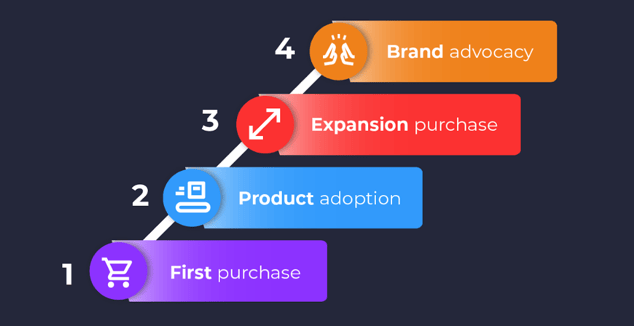
Expansion Revenue %
How much revenue comes from existing customers upgrading or buying more?
A high repeat purchase rate signals strong customer loyalty, while a low rate suggests gaps in expansion opportunities.
How can GTM teams act on sales retention data?
Help Sales GTM Teams Qualify Better-Fit Customers
Use churn data to refine the Ideal Customer Profile (ICP) and filter out customers who are unlikely to stay.


Reward Long-Term Success Based on Customer Retention Metrics
Align commissions with retention by compensating sales teams for deals that stick, not just deals that close.
Prioritize Deal Quality Over Speed for Better Retention Outcomes
If rushed deals churn faster, adjust the sales process to focus on closing the right customers, not just closing quickly.
In this RevPartners/Clay webinar, learn how Clay helps streamline your GTM efforts by unifying fragmented data, enriching contact records, and automating workflows directly into HubSpot. 👇

What product retention metrics should GTM teams track?
Product teams have the biggest impact on long-term retention.
A great sales process can bring customers in, but if they don’t get value from your products or services, they won’t stay. Usage, adoption, and feature engagement are the key indicators of whether customers will stick around or churn.
What retention stats matter for product teams?
The average eight-week retention rate across most industries is below 20%, while top-performing products in media or finance achieve over 25%.
In SaaS and e-commerce, an eight-week retention rate above 35% is considered elite.
Which retention metrics should product teams measure?
Customer Retention Rate (CRR)
Measures how many customers stick around over time.
A low CRR means your product isn’t keeping users engaged long-term.
Net Revenue Retention (NRR)
Tracks how much revenue from existing customers offsets churn.
If customers are spending more over time, your product is driving value. If not, they may be disengaging before leaving.
Time to Value (TTV)
Shows how quickly customers experience the product’s core benefit.
The longer it takes, the more likely they are to churn early.
Feature Stickiness
Identifies which features customers use most.
If engagement centers around a few key features, double down on them to improve retention.
The Revenue Performance Model
Do you want to track the entire revenue journey in your CRM so you can see what's broken, why it happened, and where to fix it?
Download the Revenue Performance Model HERE
How can GTM teams act on product retention data?
Reduce Time to Value to Improve Product Retention Metrics
Improve onboarding and remove barriers so customers see value faster.
Prioritize Sticky Features That Impact Product Retention Metrics
Focus on the features that drive engagement and keep users coming back.
Track Net Revenue Retention to Inform GTM Function Strategy
If customers aren’t expanding their spend, they may not see enough long-term value; fixing this is key to retention.
***Want more GTM tips?*** 👇
What retention metrics should customer success teams track?
Customer Success (CS) helps ensure customers stay, grow, and become advocates.
The best CS teams don’t wait until renewal to act, they track early churn signals, customer feedback, and retention trends to proactively retain customers before they churn.
What retention stats matter for customer success?
Strong Customer Success programs can increase CLV and drive up to a 91% ROI through better retention strategies.
Companies that actively track Net Promoter Score (NPS) see 60% higher growth compared to competitors, as high NPS correlates with improved customer retention rate and advocacy.
Which retention metrics should customer success measure?
Customer Health Score
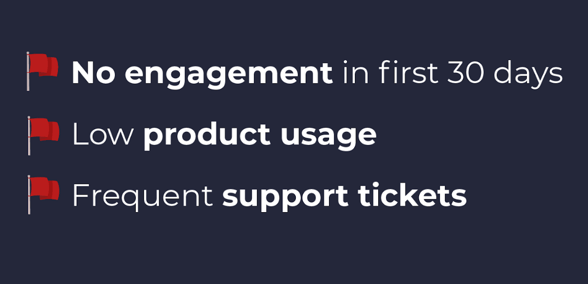
A predictive score that flags at-risk customers based on engagement, support requests, and usage patterns.
First-Year Retention Rate
Tracks how well onboarding prevents early churn as most customers who leave do so in the first year.
Advocacy Rate
Measures how many happy customers refer new customers or leave positive reviews, which is a strong sign of long-term loyalty.
How can GTM teams act on customer success retention data?
Identify At-Risk Customers with Predictive Customer Retention Metrics
Use Customer Health Scores to proactively engage customers before they churn.
Fix Onboarding Gaps That Hurt Customer Retention
If first-year retention is low, revamp onboarding to improve adoption and engagement.
Turn High-Retention Customers into GTM Advocates
Encourage referrals, case studies, and testimonials from high-retention users.
Want to build a retention-first GTM strategy on your own?
Our HubSpot DIY guides help you implement playbooks for tracking retention metrics, automating customer engagement, and structuring expansion revenue—without outside support. 👇

Why is retention the real growth strategy for GTM teams?
Most GTM teams focus on net new revenue. But the best teams focus on how much of that revenue actually sticks.
If retention isn’t a priority across every GTM function, your company likely won't be around for the long haul.
Real, scalable growth can only happen when you stop the cycle of churn and replace, track the right retention metrics, and make them a core part of your GTM motion.
Recap: Customer Retention Metrics Every GTM Team Should Track
To build a retention-focused GTM strategy, organizations should focus on:
- Measure retention across every GTM function: Track metrics that help Marketing, Sales, Product, and Customer Success understand how their work impacts customer retention and long-term revenue.
- Prioritize customer quality over acquisition volume: Evaluate Customer Lifetime Value (CLV), retention by acquisition source, churn by customer segment, and expansion revenue to attract and retain better-fit customers.
- Improve product adoption and customer value: Monitor Customer Retention Rate (CRR), Net Revenue Retention (NRR), Time to Value (TTV), and feature adoption to ensure customers quickly realize value from your product.
- Identify churn risk early: Use customer health scores, first-year retention, engagement data, and usage trends to proactively support customers before they disengage.
- Align every team around retention outcomes: Connect marketing, sales, product, and customer success through shared data, consistent reporting, and common revenue goals that extend beyond new customer acquisition.
- Continuously optimize using retention insights: Review retention trends, customer behavior, and expansion opportunities regularly to strengthen onboarding, improve customer experiences, and increase long-term profitability.
Frequently Asked Questions About Customer Retention Metrics
What is Net Revenue Retention (NRR)?
Net Revenue Retention (NRR) measures how much recurring revenue is retained from existing customers after accounting for:
- expansion revenue
- upgrades
- downgrades
- churn
An NRR above 100% means a company can grow revenue even without acquiring new customers.
What are customer retention metrics?
Customer retention metrics measure how well a company keeps, grows, and expands existing customers over time. These metrics help GTM teams understand customer health, loyalty, churn risk, and long-term revenue potential.
Why are retention metrics important?
Retention metrics help companies identify which customers stay, expand, and generate long-term value. They often provide a more accurate picture of business health than acquisition metrics alone.
Companies with strong retention typically grow faster and more profitably.
What is Customer Retention Rate (CRR)?
Customer Retention Rate (CRR) measures the percentage of customers a company retains during a specific period.
A higher CRR generally indicates stronger customer satisfaction, adoption, and long-term value.
What is Customer Lifetime Value (CLV)?
Customer Lifetime Value (CLV) estimates the total revenue a customer generates throughout their relationship with a company.
Tracking CLV helps GTM teams identify which acquisition channels, industries, and customer segments produce the most valuable customers.
Which retention metrics should marketing teams track?
Marketing teams should focus on:
- Customer Lifetime Value (CLV) by channel
- retention by persona
- retention by industry
- activation rate
- acquisition source performance
These metrics help identify which campaigns attract customers who stay and grow.
Which retention metrics should sales teams track?
Sales teams should track:
- churn by customer segment
- sales cycle length vs churn
- expansion revenue
- retention by deal source
- retention by salesperson
These metrics help improve qualification and reduce poor-fit deals.
Which retention metrics should product teams track?
Product teams should focus on:
- Customer Retention Rate (CRR)
- Net Revenue Retention (NRR)
- Time to Value (TTV)
- feature adoption
- feature stickiness
- product engagement
These metrics help identify whether customers are receiving value from the product.
Which retention metrics should Customer Success teams track?
Customer Success teams should monitor:
- customer health score
- first-year retention rate
- advocacy rate
- expansion revenue
- renewal rates
- product adoption
These metrics help identify risk before customers churn.
What is a customer health score?
A customer health score is a predictive metric that combines product usage, engagement, support activity, and customer behavior to estimate churn risk.
Customer Success teams use health scores to prioritize proactive retention efforts.
What is Time to Value (TTV)?
Time to Value (TTV) measures how quickly a customer experiences the primary benefit of a product or service.
The faster customers reach value, the more likely they are to stay and expand.
What is feature stickiness?
Feature stickiness measures how frequently customers use specific product features.
High stickiness often indicates strong product-market fit and can be an early indicator of long-term retention.
How do you reduce customer churn?
Companies reduce churn by:
- improving onboarding
- reducing Time to Value
- identifying at-risk customers early
- monitoring health scores
- improving product adoptionk
- targeting better-fit customers
- strengthening Customer Success engagement
Retention improvement requires coordination across every GTM function.
Why do some acquisition channels have worse retention?
Not all lead sources attract the same types of buyers.
Some channels generate large volumes of leads but low long-term retention, while others produce fewer leads that stay longer and generate more revenue.
This is why CLV by channel is so important.
How does retention impact GTM strategy?
Retention influences:
- revenue growth
- forecasting
- expansion opportunities
- acquisition efficiency
- customer lifetime value
- profitability
Strong retention improves every part of the GTM engine.
What are the best retention metrics for SaaS companies?
Most SaaS companies should prioritize:
- Net Revenue Retention (NRR)
- Customer Retention Rate (CRR)
- Customer Lifetime Value (CLV)
- Time to Value (TTV)
- customer health score
- first-year retention rate
- expansion revenue
Together these metrics provide a complete picture of customer success and business health.
What are the best practices for improving retention?
Best practices include:
- tracking retention by acquisition source
- improving onboarding
- monitoring customer health scores
- reducing Time to Value
- identifying churn signals early
- aligning Sales, Marketing, Product, and Customer Success
- measuring expansion revenue
- reviewing retention data regularly
The strongest GTM teams treat retention as a company-wide responsibility, not a Customer Success metric.

-1.png)